How to Paint Brick the Right Way

Photo by RDNE Stock project
Updating the look of your home often starts with the details—planting new flowers, installing modern lighting, and updating house numbers are common places to start.
But few features make as bold a statement as brick.
Whether you’re aiming to brighten a room, create a modern exterior, or simply refresh old masonry, painting brick can completely transform your space.
However, brick is a unique surface, and skipping proper preparation or using the wrong materials can lead to peeling, cracking, or a finish that doesn’t last.
We’ll walk you through everything you need to know to paint brick the right way, from choosing the perfect paint to applying it for a flawless, long-lasting result.
Understanding Your Brick
First, you need to know what type of brick you have.
Is it inside or outside?
Is it old or new?
What material was used?
These seemingly small details can make a big difference when you paint brick. The brick’s porous texture affects paint absorption and finish.
Rough or uneven bricks: Absorb more paint, requiring additional coats to achieve consistent coverage. Create a textured, rustic appearance.
Smooth bricks: May need less paint, but can be prone to drips or an uneven sheen if the paint isn’t applied carefully.
If you don’t know the texture before you try to paint brick, it could lead to cracking, peeling, or trapping moisture, causing trouble down the line.
Understanding your brick’s surface helps you choose the right type of paint, the proper application method, and the number of coats you’ll need for a durable finish.
Tools and Materials You’ll Need
Photo by Ivan Samkov
Before you start painting, having the right tools on hand makes the job easier and ensures a professional-looking finish. Each tool plays a key role in helping your brick look its best.
Here are the tools and materials you’ll need to paint brick:
Cleaning: Wire brush, mild detergent, putty knife, caulk, or masonry filler
Safety: Gloves, goggles, dust mask, or respirator
Painting: Masonry primer, acrylic latex or masonry paint, angled brushes, thick-nap rollers, paint tray, and painter’s tape
Optional: Paint sprayer for large areas, drop cloths, sealant for exterior brick, and a small touch-up brush
Preparing the Brick Surface
Preparing the brick surface is a frequently overlooked but important step in the painting process.
First, you need to clean the brick to remove dirt, mildew, or efflorescence. Scrub the brick with a wire brush or stiff-bristle brush. For exterior walls, use a mild detergent or a pressure washer to remove stubborn grime, ensuring the surface is clean and ready for primer.
If there is any damage to your brick, you’ll want to address that before painting. Fill cracks and replace damaged mortar to ensure a clean finish.
Don’t skip the primer! Using a primer on brick is essential because it creates a strong bond between the porous surface and the paint. This helps the color adhere evenly and prevents future peeling or flaking. Primer also seals the brick, blocks stains, and reduces the number of paint coats needed.
Preparing the brick surface before painting is not something to skip. Take the extra time so you don’t have to go back and fix mistakes later.
Selecting the Right Paint for Your Brick
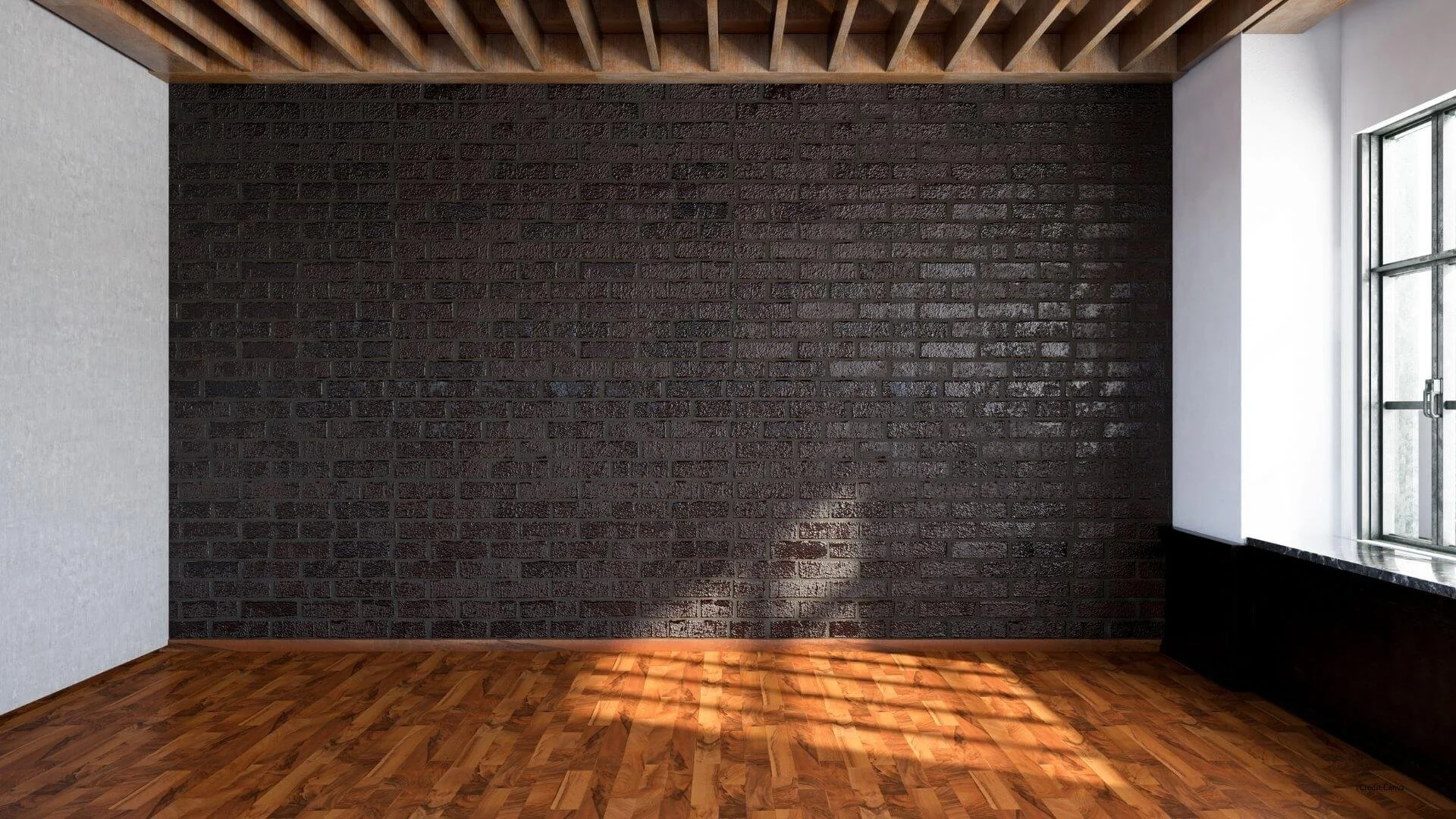
Photo by Curtis Adams
There are many color options for painting brick, but not all paints are created equal. Selecting the right one is key to a durable, beautiful finish.
Acrylic latex or specially formulated masonry paint works best for brick because it flexes with the surface, resists cracking, and allows moisture to escape. Moisture trapped underneath paint can lead to peeling or bubbling as the water tries to escape through the surface. It can also contribute to mold and mildew growth under the paint.
When picking a color, consider your home’s style, surrounding landscaping, and how much natural light hits the brick. Darker colors can make a space feel smaller, while lighter shades brighten the area.
Finally, decide on the finish. Matte or flat gives you a more natural, textured look, and satin or semi-gloss offers a slightly smoother, modern appearance.
Brick Painting Techniques
How you apply paint can make a big difference in the final look of your brick.
For rough, textured brick, a thick-nap roller is ideal for covering large areas, while angled brushes work best for corners, edges, and mortar lines.
If you’re tackling a large exterior wall, a paint sprayer can provide a smooth, even finish, but it calls for careful masking to avoid overspray. Apply thin, even coats rather than one heavy layer, allowing each coat to dry fully before adding the next.
Taking your time with technique ensures full coverage, prevents drips, and results in a professional, long-lasting finish.
It’s also recommended to hire a professional to ensure your interior or exterior brick gets painted right the first time.
Post-Painting Care
Photo by Malte Luk
The job isn’t done once the last layer of paint is applied. Proper care helps maintain its beauty and extend the life of your paint job.
For exterior brick, apply a clear masonry sealant to protect against moisture, UV rays, and weathering.
Keep the surface clean by gently washing it with mild soap and water, avoiding harsh scrubbing that could damage the finish.
Inspect your brick periodically for chips or peeling, and touch up any problem areas quickly to prevent larger issues.
With a little ongoing maintenance, your freshly painted brick will stay vibrant and durable for years to come.
Transform Your Brick with Confidence
Painting bricks can completely refresh your home's look, but success starts with preparation and the right techniques.
By carefully cleaning and repairing your brick, applying a suitable primer, choosing high-quality paint, and following careful application methods, you can achieve a beautiful, long-lasting finish.
With patience and attention to detail, your newly painted brick will enhance your space and stand up to the test of time.
Want to hand the brick painting job over to a professional? Contact us today for a free estimate.
FAQs About How to Paint Brick
How long does painted brick last?
Painted brick can last 10+ years when properly prepared and maintained. The key is thorough cleaning, using a masonry primer, and applying quality paint in thin, even coats. Regular inspection and touch-ups can help prolong the lifespan even further.
Can I change the color later?
Yes, painted brick can be repainted whenever you want a new look. Proper prep is important to ensure the new color adheres evenly.
Should I paint old brick or leave it natural?
It depends on your aesthetic goals and the condition of the brick. Painting can modernize an old or mismatched exterior, while leaving the brick's natural highlights to bring out its classic texture and charm. Either choice can look great if executed thoughtfully.
How do I prevent peeling or flaking?
The best way to prevent peeling is to start with a clean, dry surface and use a high-quality masonry primer. Apply thin, even coats of paint, letting each layer dry completely. Avoid painting in extreme temperatures or high humidity, as these conditions can compromise adhesion.
Does painting brick devalue a home?
Painting brick can actually boost curb appeal when done well. However, poorly executed painting or inconsistent maintenance may turn off potential buyers. Consider your local market and buyer preferences before making a decision.
Can you paint directly over brick?
It’s not recommended to paint bare brick without a primer. Brick is porous, and paint applied directly can absorb unevenly, peel quickly, and require more coats. Using a masonry primer offers a smooth, long-lasting finish.