A Guide to Choosing the Best Fence Stain for Your Home

Photo by RDNE Stock project
A well-stained fence does more than mark the boundary of your property—it protects your investment, improves your home’s curb appeal, and can even renew your outdoor space into an inviting environment.
But with so many types of fence stains, colors, and finishes available, choosing the right one can feel overwhelming.
We’ll walk you through everything you need to know, from stain types to color choices, so you can pick the best fence stain that keeps your wood looking beautiful and lasting longer.
Why Fence Stains Are Important
A fence stain could feel like an extra step if you like the look of the wood, but stains are actually pretty important to protecting the longevity of your fence.
UV rays, rain, and snow affect wood over time. Whether it’s water stains or rot, fence stains can prolong the life of your fence, preventing regular repairs or replacements.
Stain color and finish change the overall look of your property. Improving the aesthetic could improve the perceived home value when you choose to sell.
Best Types of Fence Stains for Minnesota Homes
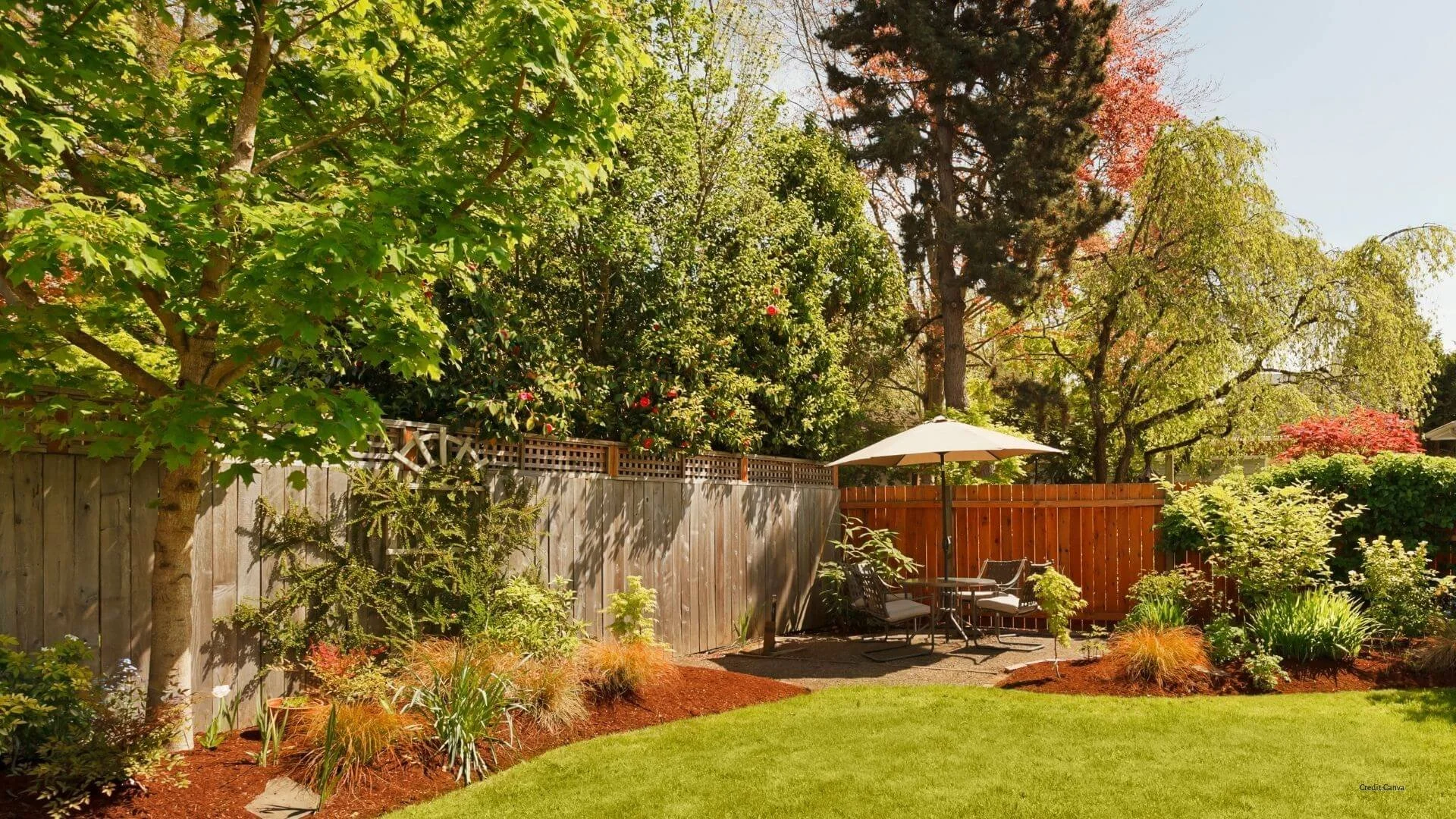
Photo by Ivan Samkov
Minnesota’s climate, with its hot summers, freezing winters, and variable humidity, can be tough on wooden fences. Choosing the right fence stain is essential for protecting your investment against cracking, warping, and fading.
1. Oil-Based Stains
Oil-based fence stains are known for their deep penetration into the wood and long-lasting protection against moisture and UV rays. Oil-based stains take longer to dry and have a stronger odor than water-based options, but their durability and resistance to fading make them a great option for fences exposed to harsh weather or heavy sun.
2. Water-Based Stains
Water-based stains don’t have a strong smell, dry quickly, and are easy to clean with soap and water. They offer a more subtle finish that works well for homeowners who want to maintain a natural wood look.
While they may not penetrate as deeply as oil-based stains, water-based formulas still provide solid defense against UV damage and water absorption, making them a convenient option for many properties in Minnesota.
3. Solid Stains
Solid stains offer the most coverage, completely masking the wood’s imperfections. The stain provides maximum protection from UV damage, moisture, and weathering. Solid fence stains behave more like paint, giving you the freedom to choose a bold or subtle color that complements your home and landscaping.
Solid stains are highly durable and require less frequent reapplication, making them a functional solution for older or weathered fences that need a fresh, uniform look without a full replacement.
4. Semi-Transparent Stains
Semi-transparent stains are the perfect balance between protection and natural beauty. They allow the wood grain and texture to show through, while a color enhances the fence’s appearance.
Ideal for cedar, redwood, or other high-quality woods, these stains highlight natural patterns and tones while resisting sun, rain, and mildew. Semi-transparent stains are a great option for homeowners who want a long-lasting finish.
5. Transparent Stains
Transparent stains provide the lightest coverage, offering protection primarily while letting the natural color and grain of the wood shine through. They’re ideal for showcasing high-quality wood, giving your fence a natural finish.
They offer less UV-ray and weathering protection than semi-transparent or solid stains, but transparent stains are ideal for fences in shaded areas or for homeowners who want a subtle, natural look and don’t mind more frequent maintenance to keep the wood protected.
4 Factors to Consider When Choosing the Best Fence Stain for Your Home
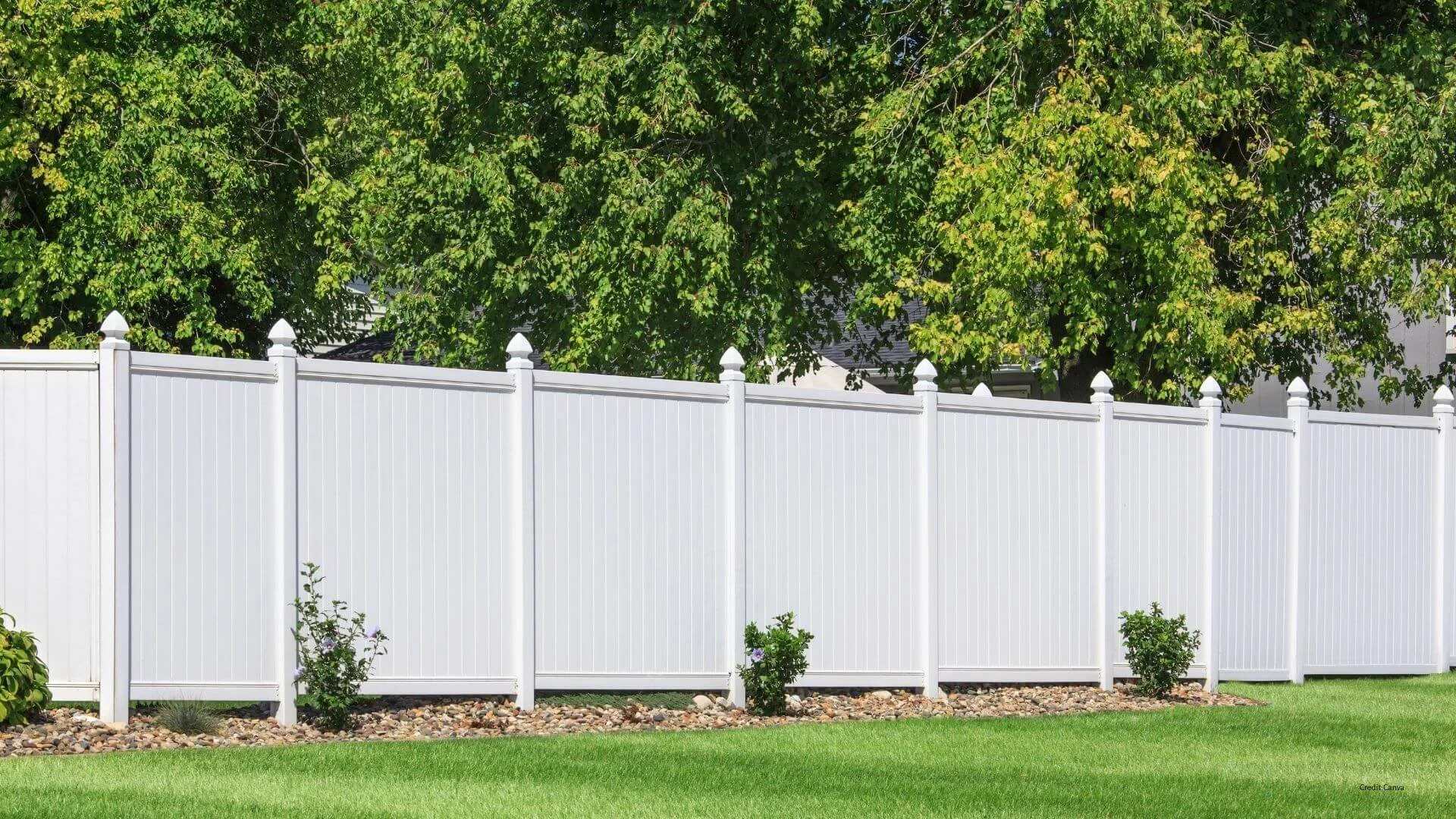
Photo by Curtis Adams
Selecting the right fence stain is about finding a product that will protect your wood, withstand the elements, and complement your home’s style for years to come.
Many factors can influence which stain is best suited to your home.
Wood Type: Different wood types respond differently to different stains.
Climate and Weather Conditions: Hot, humid, or rainy climates may require specific stain types.
Desired Appearance: Natural wood look vs. painted-style coverage.
Longevity and Maintenance: How often you’re willing to reapply fence stain or repair damage.
How to Choose the Right Color for Your Fence
The color of your fence sets the feel for your entire outdoor space. The right shade can complement your home’s exterior, highlight your landscaping, and also boost curb appeal, while the wrong color can clash or fade quickly.
Choosing the perfect fence color involves balancing personal style, durability, and harmony with your surroundings.
Some things we recommend are:
Complement Your Home Exterior: Match or contrast siding, brick, or trim for a coordinated look.
Neighborhood Trends vs. Personal Style: Balance your personal style with future resale value.
Highlighting Landscaping: The right fence color can act as a backdrop, making your landscaping look intentional and polished rather than disconnected.
Sunlight: Colors can look very different in full sun versus shade.
Try color swatches before committing to see what you like best.
Protect and Enjoy Your Fence for Years to Come
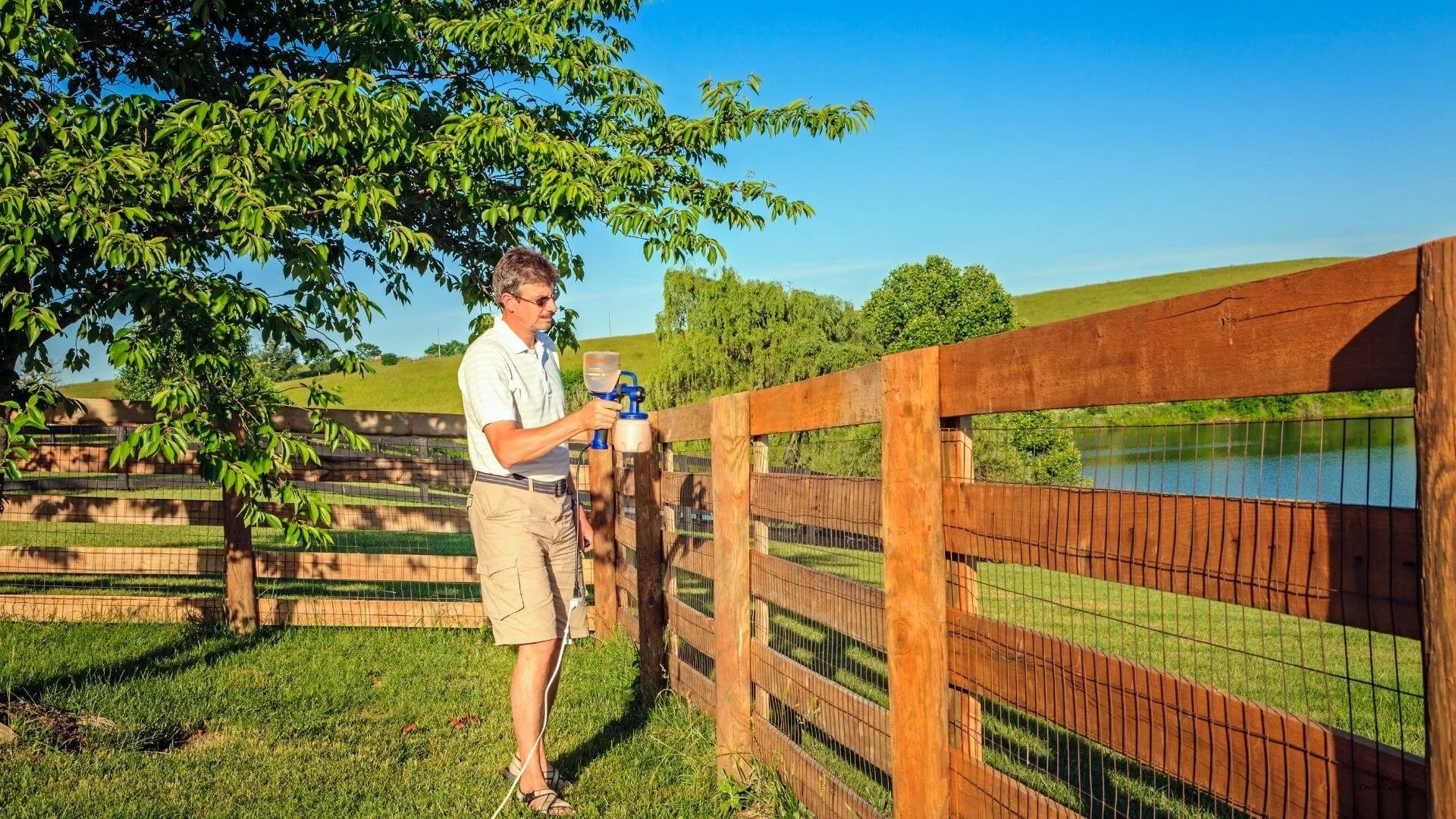
Choosing the right fence stain is about more than just color. It’s about protecting your investment, improving your home’s curb appeal, and creating a lasting impression.
By knowing the types of stains, selecting the right finish, and properly maintaining your fence, you can ensure it stays strong, beautiful, and inviting for years to come.
With careful preparation and thoughtful choices, your fence can serve as both a functional barrier and a design feature that complements your outdoor space.
Contact our team to choose the best fence stain for your home and get the job done.
FAQs About The Best Fence Stain
How long does fence stain last?
The lifespan of a fence stain depends on the type of stain, the quality of the product, the wood, and the climate. On average, transparent and semi-transparent stains last 3-6+ years, while solid stains can last 5–7+ years before needing a reapplication. However, harsh weather, direct sunlight, or moisture exposure can shorten the life of any stain.
Can I change the color of my fence later?
Yes, but the process depends on the type of stain you currently have. Applying a new color to a solid stain is usually straightforward. Semi-transparent or transparent stains may require a darker tone or solid color. Always test a small area first to make sure you get the shade you want.
Is staining better than painting for fences?
Staining is preferred for fences because it enhances the natural wood grain while protecting against moisture and UV damage. Unlike paint, stains penetrate the wood rather than sitting on its surface, decreasing the risk of peeling and cracking over time.
However, paint can be a good choice if you want full color coverage or need to hide imperfections in older, weathered wood. The choice depends on the look you want and how much maintenance you’re willing to do.
How do I prevent mildew and mold on a wooden fence?
To prevent mildew and mold, keep your fence clean, dry, and well-ventilated. Regularly clean the fence using a gentle scrub or pressure washer to remove dirt, leaves, and debris.