6 Unique Challenges of Painting Old Homes and How Professionals Handle Them
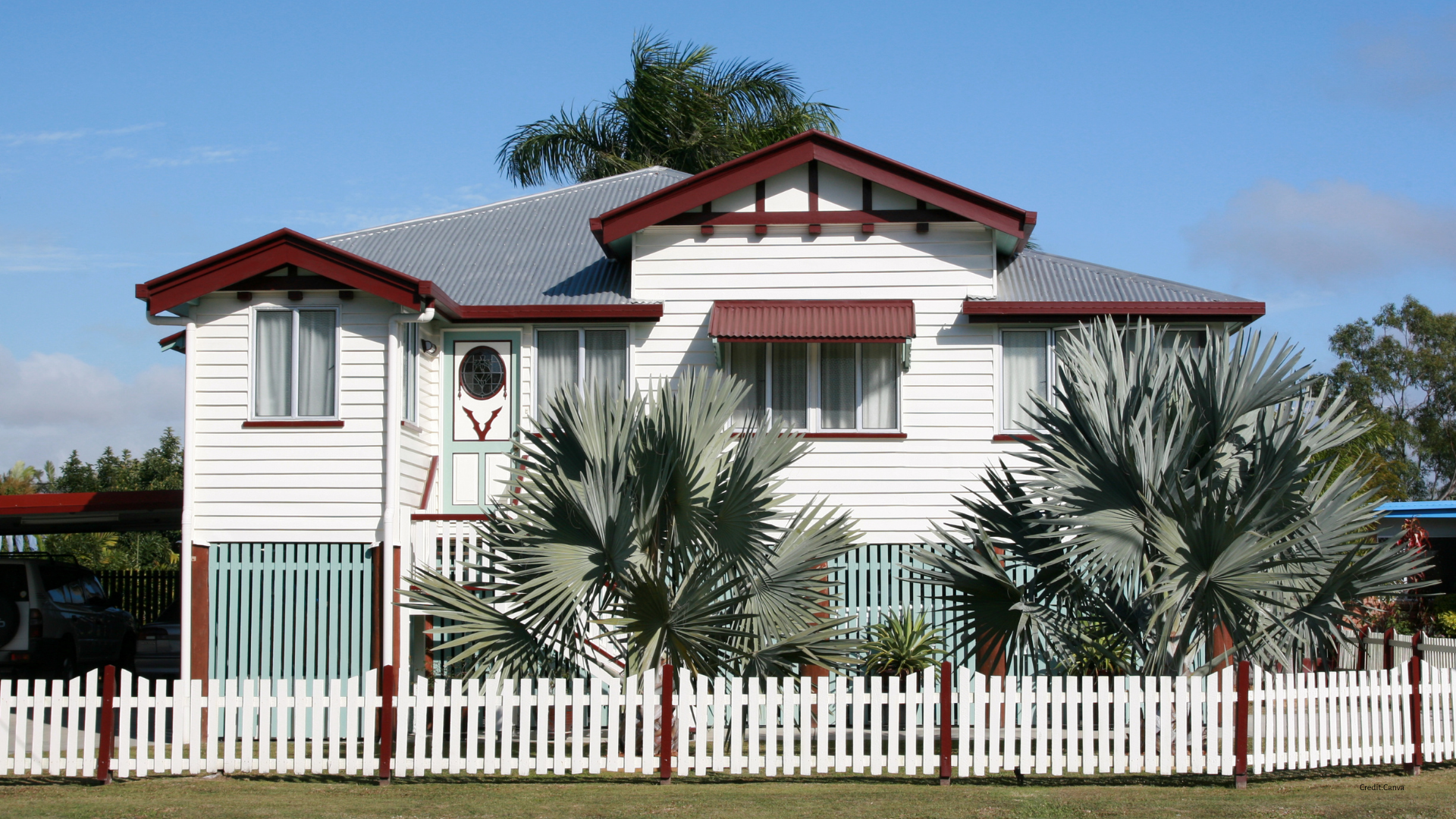
Photo by RDNE Stock project
There's a reason older homes have so much character, but that character comes with complications, especially when it's time to repaint.
Painting old homes isn’t the same as painting a new build. The prep work, materials, and process shift to preserve what makes older homes unique.
Professional painters who specialize in older homes understand these challenges and come prepared for them.
This is what you need to know if you’re considering painting an old home in the Twin Cities.
1. Lead Paint: The Non-Negotiable Starting Point
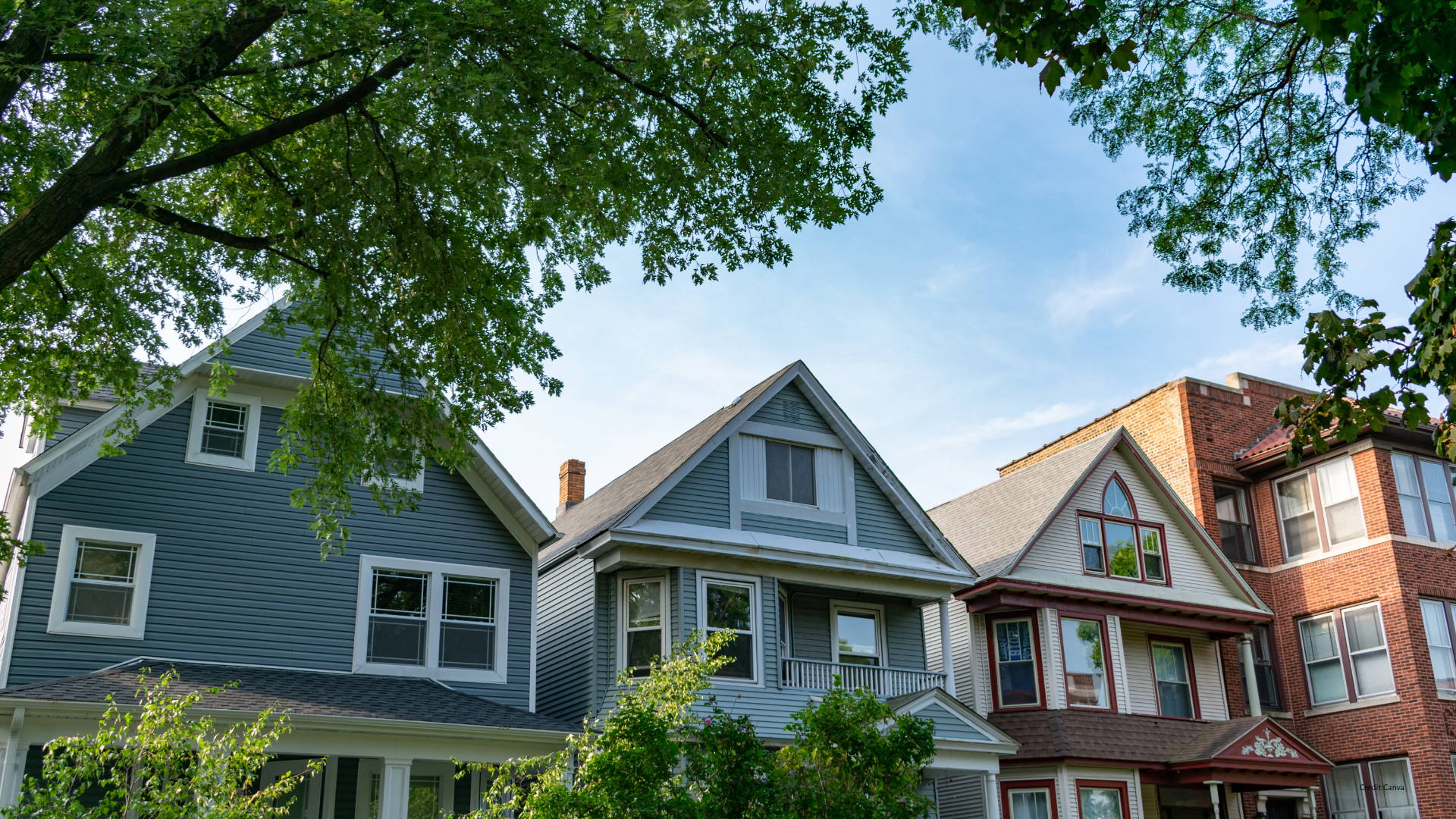
Photo by Ivan Samkov
If your home was built before 1978, there’s a chance the exterior paint contains lead. The health risks of lead paint are well-documented and serious.
Lead exposure has been linked to:
Developmental delays in children
High blood pressure and cardiovascular problems
Kidney damage
Reproductive issues (in both men and women)
Memory and concentration problems
Muscle and joint pain
The danger isn't living in a home that has lead paint—it's disturbing the paint and releasing lead into the air.
Sanding, scraping, and dry scraping old painted surfaces releases lead dust into the air, where it can be inhaled or settle on surfaces throughout the home, including on floors where young children and pets play.
This is why the EPA's Renovation, Repair, and Painting (RRP) Rule exists. Any contractor working on a pre-1978 home is legally required to be RRP-certified if the work disturbs painted surfaces above a specified threshold.
Certified professionals follow containment protocols, use wet methods to minimize dust, and properly dispose of debris. It's the only responsible way to work in an older home.
Homeowners should always ask for proof of certification before any painting project begins on an older property to ensure safe removal of lead paint.
Valley Creek Painters is a Certified Firm, and their employees are Certified Lead Renovators.
2. Peeling, Failing, and Uneven Surfaces
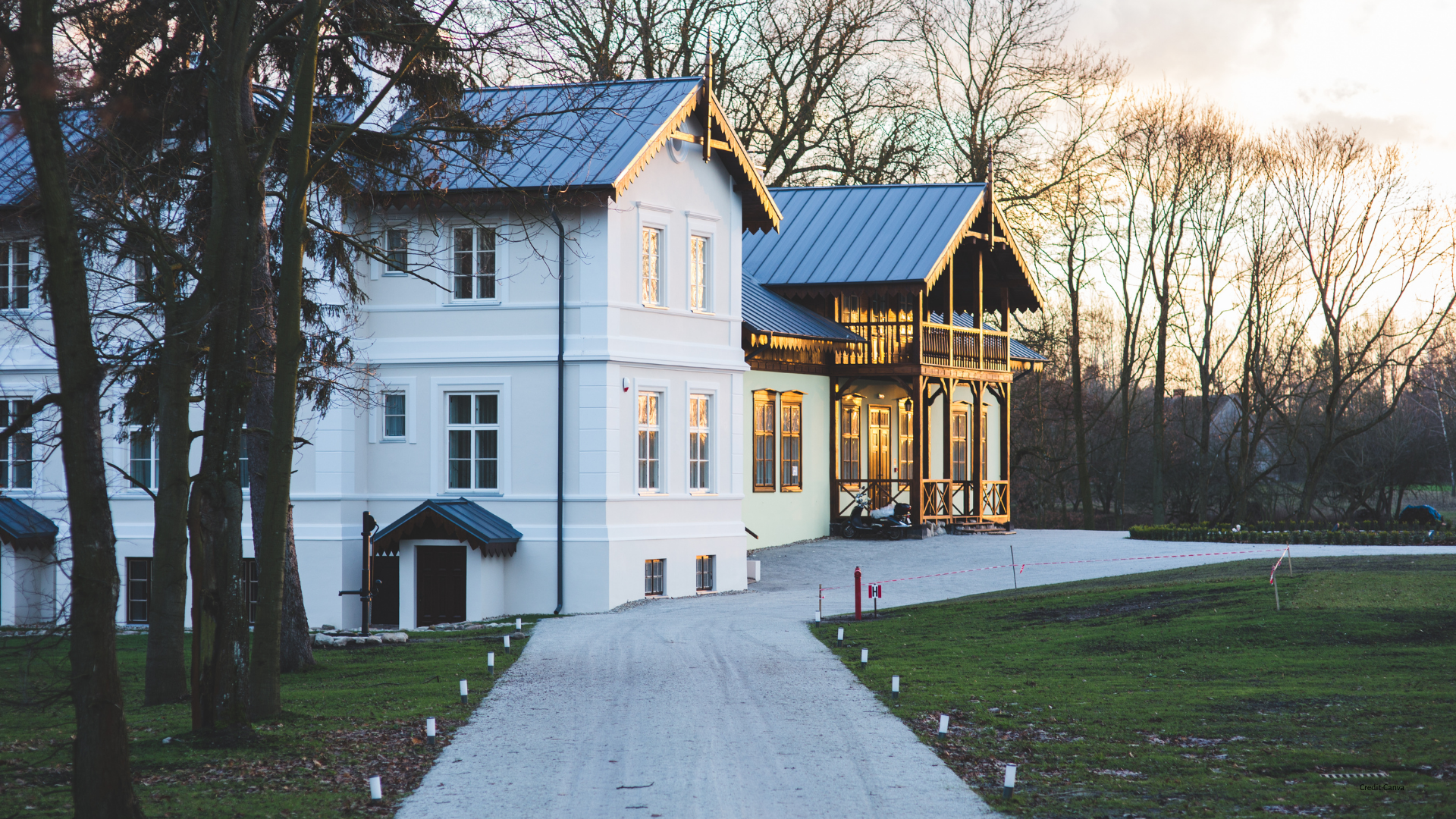
Photo by Curtis Adams
Older homes accumulate decades of paint layers, sometimes a dozen or more applied over wood that has been expanding, contracting, and absorbing moisture since before modern coatings existed. Over time, that layering creates a surface that's inherently unstable, especially where moisture has gotten in behind siding or around window trim.
Add the fact that many older homes were painted with oil-based formulas that become brittle with age, and you have a surface that's already primed to crack, bubble, and peel.
This is why prep work on an older home takes significantly longer than on a new build. It involves:
Scraping and feathering
Sanding and smoothing
Priming bare wood or patched areas
Professional painters assess the surface condition before ever opening a can of paint. They know exactly what to look for to ensure a safe and optimal fresh coat.
3. Old Wood: Rot, Gaps, and Substrates That Aren't What They Used to Be
Wood on an older home has been through a lot. Decades of freeze-thaw cycles, rain, and sun exposure break down wood fibers over time, leaving surfaces that are soft, porous, and in some cases actively rotting beneath a surface that still looks intact.
Rot that isn't visible until you press on it is one of the most common traps in painting an older home. Painting over any of this doesn't solve the problem; it actually makes it worse. The paint seals moisture in and accelerates damage beneath it.
A professional painter will probe and assess the wood before starting, flag sections that need repair or replacement, and address gaps with the right caulk before the primer goes on.
4. Moisture Problems: The Hidden Culprit Behind Paint Failure
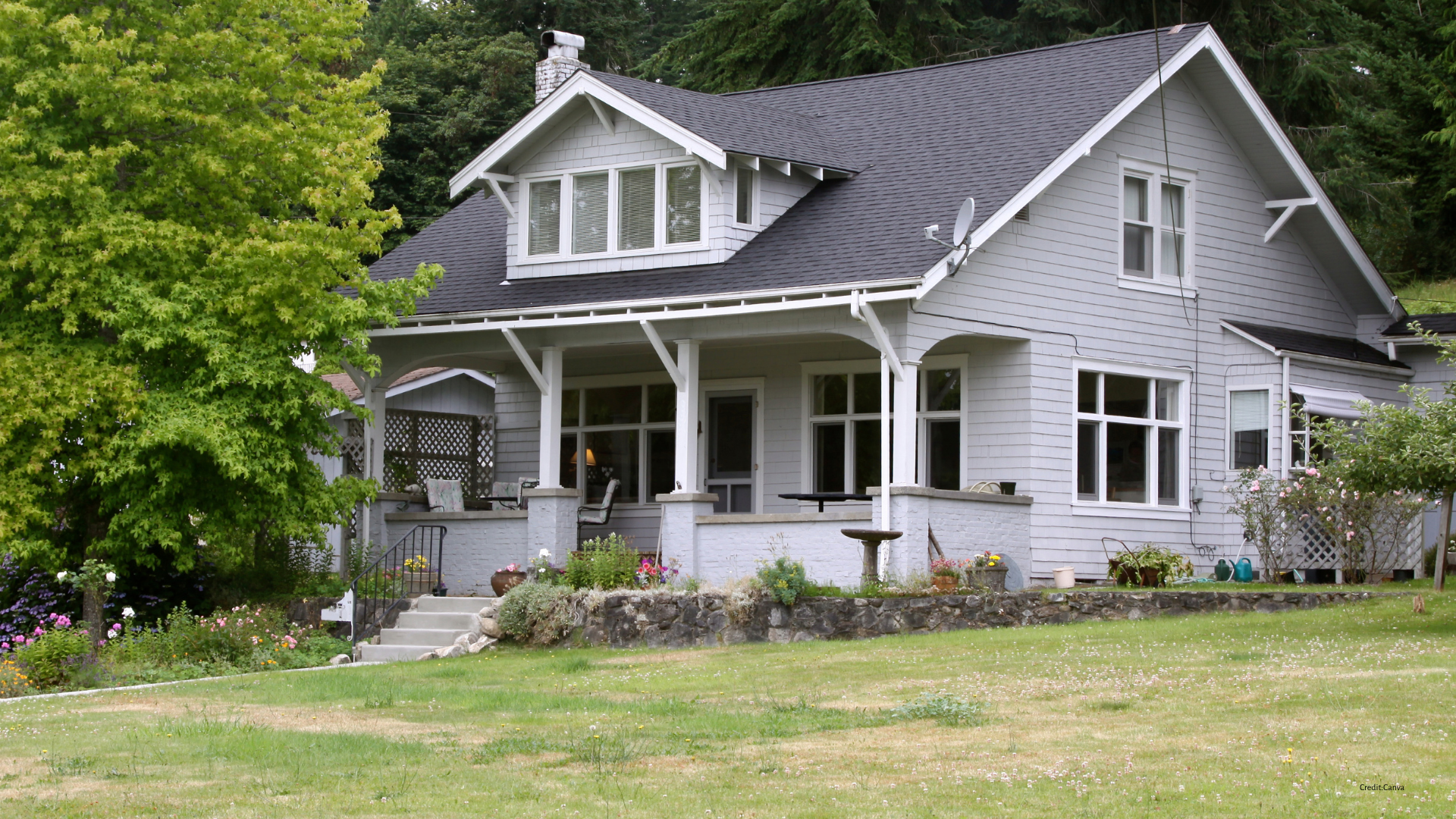
Moisture shows up as bubbling on exterior siding, peeling around window frames, staining on interior walls, or paint that simply won't stick, no matter how well the surface was prepped.
The instinct is to scrape it back and repaint. But if the moisture source hasn't been identified and addressed, the new paint will fail in the same spots within just a few months.
Older homes are particularly vulnerable because they were built before modern vapor barriers, drainage planes, and ventilation standards existed. Water has more ways in than out.
A professional painter knows to look for the source of moisture problems:
Missing or failed caulk around penetrations
Compromised flashing
Poor grading
Inadequate attic or crawl space ventilation
And then knows who to call to fix it.
Because paint is a finish, not a solution to moisture problems.
5. Plaster Walls: Painting the Interior of an Old Home
Plaster walls are a defining feature of an older home. Unlike drywall, plaster is a hand-applied material that has been settling, shifting, and absorbing paint for decades.
By the time a professional walks into a room, those walls may have twenty or thirty years of coats on them, layered (and layered) over a surface that may have damage hidden beneath it. Painting over all of that without proper prep produces exactly the kind of uneven, textured finish that makes an older home feel tired rather than charming.
The right interior painting approach involves:
Stabilizing any soft or failing sections
Filling and feathering cracks
Applying a high-quality primer
6. Matching and Blending: Color and Sheen Challenges on Old Homes
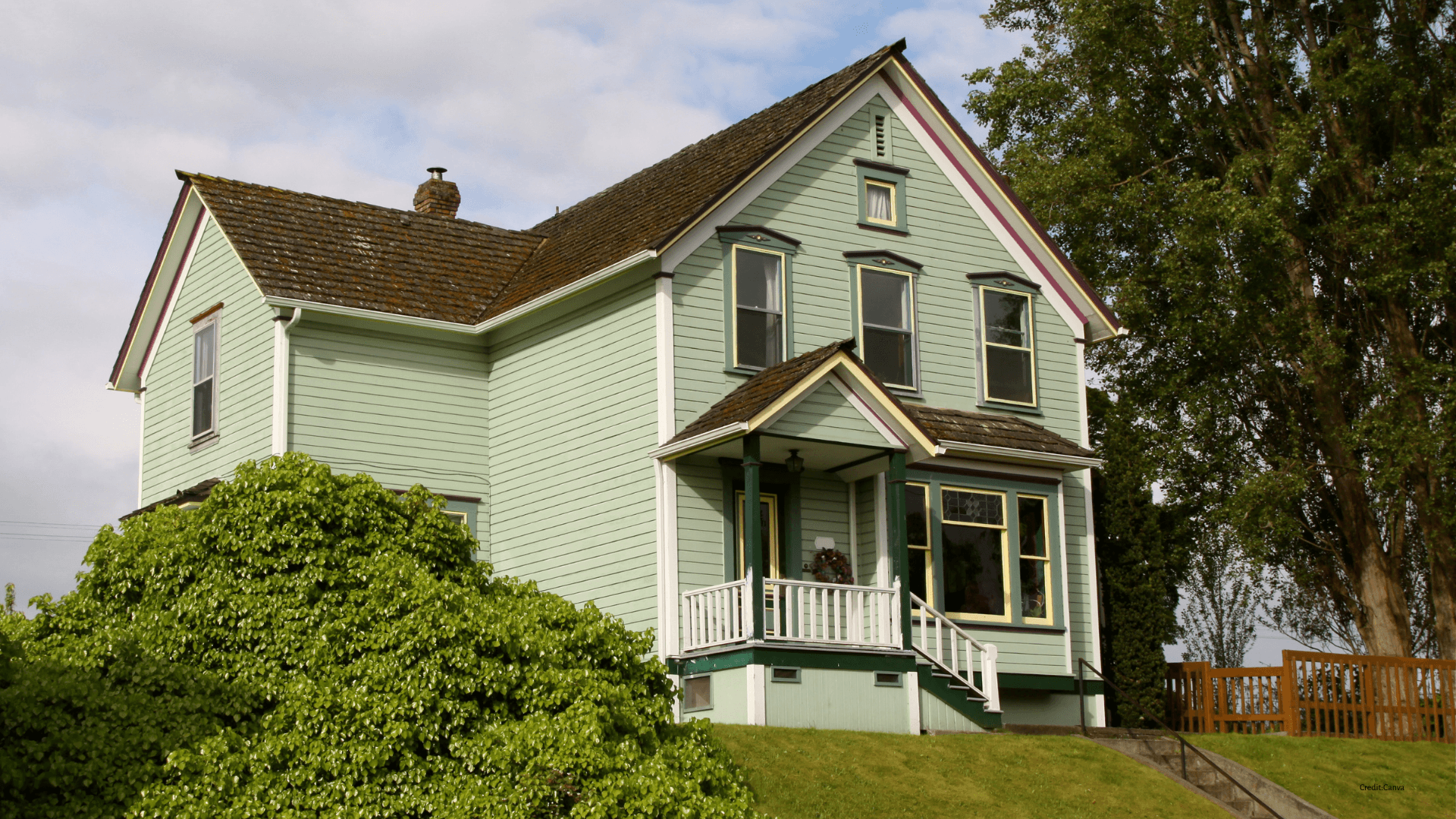
Color matching on an older home sounds straightforward until you're standing in front of a wall that has faded, oxidized, and shifted in tone over fifteen years of sunlight and settling.
What reads as "the same color" on a chip in a paint store rarely looks the same next to weathered siding or a sun-bleached trim board that has been through a hundred Minnesota winters.
Professional painters use spectrophotometers to precisely read existing colors, test samples under the actual light conditions of the space, and factor in how the final sheen will behave on that specific surface before committing to a full application.
Getting color right on an older home is a technical decision more than an aesthetic one.
Exterior Challenges Specific to Old Architecture
Older homes were built with character, such as:
Intricate millwork
Layered trim profiles
Decorative corbels
Narrow eaves
These architectural details take hours to cut in properly and can't be rushed.
On a modern home, a painter might move efficiently across clean, flat surfaces. On a Victorian, a Craftsman bungalow, or a mid-century colonial, every linear foot of trim is a separate decision about brush size, angle, and technique.
Beyond the detail work, older exteriors often feature multiple substrates on a single home — wood lap siding, brick, masonry foundation, metal gutters and railings, and sometimes original cast iron or steel windows — each of which requires a different primer, paint formula, and application approach.
Add in the Twin Cities climate, where temperature swings and humidity levels are extreme enough to affect how paint lays down and cures, and the margin for error tightens considerably. Professional painters working on older exteriors know to check forecasts, stage their work around optimal application windows, and account for the fact that a north-facing wall in the shade behaves differently than a south-facing wall that bakes in afternoon sun.
There’s a lot more to consider than just the paint color you want.
Older Homes Require More Time, But It's Worth It
Repainting old homes is a rewarding project, but they require a different level of expertise and preparation. This isn’t a DIY job that you can simply paint over if it looks bad. There are several moving parts that can affect the project's outcome.
The right painter doesn’t just bring paint and get to work. They bring knowledge of what’s happening under the surface. If there’s rot, moisture damage, or uneven surfaces, they know what to do to keep the paint lasting another 50 years.
If your Minnesota home has been around for decades, it deserves someone who knows how to treat it.
Contact Valley Creek Painters for a free estimate, and let’s give your older home a fresh face.