A home doesn't need brand-new furniture to feel warmer and more inviting. The difference between a space that feels cold and one that feels cozy comes down to the details already within it.
If your furniture still works for your space but your home feels like it's missing a little warmth, a few thoughtful changes—paint color, lighting, and decor—can make a big difference. Here are five ways to create a cozy home without replacing your furniture.
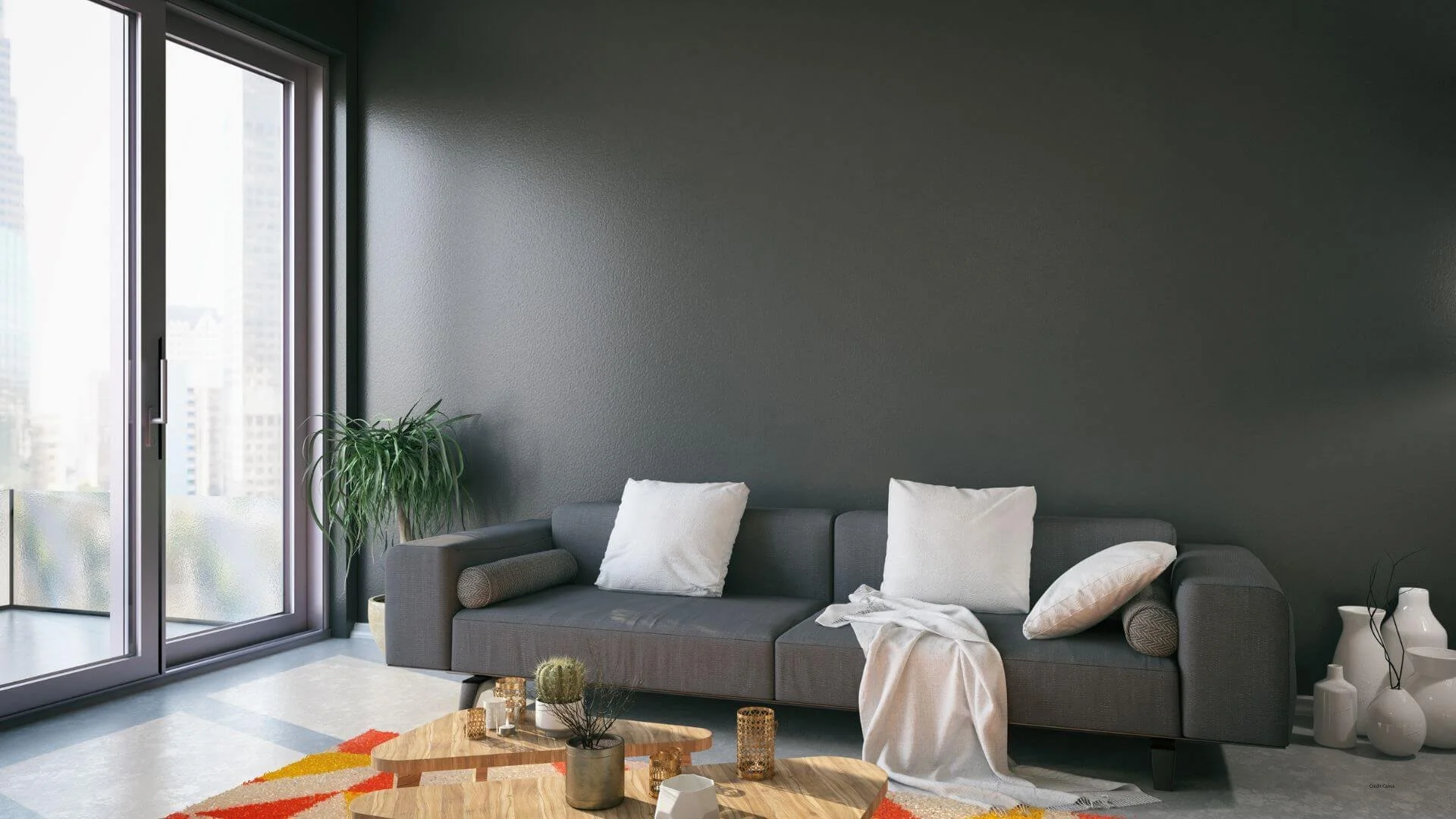
1. Choose Warm Paint Colors for Your Walls
Wall color strongly affects how a room feels. Cooler shades feel crisp and airy, while warm undertones create a more comfortable atmosphere. If you want your home to feel cozier without changing your furniture, choose a paint color with warm undertones.
Warm paint colors to consider:
Creamy white: Creates a soft backdrop that feels brighter than stark white while maintaining a sense of warmth and comfort.
Warm beige: Adds a subtle golden undertone that makes a room feel welcoming and lived-in.
Soft taupe: Blends brown and gray undertones to create a grounded, relaxing atmosphere that feels especially cozy in living rooms and bedrooms.
Warm greige: Balances the versatility of gray with the warmth of beige, helping a space feel calm and comfortable without looking too cool.
Muted terracotta: Brings sun-baked warmth to a room, creating a relaxed atmosphere reminiscent of natural clay and autumn landscapes.
Dusty rose: Adds a gentle warmth that makes a space feel softer, more intimate, and inviting.
Warm olive green: Introduces an earthy, nature-inspired feel that helps a room feel grounded, restful, and connected to the outdoors.
Rich caramel: Creates a welcoming, enveloping atmosphere with golden-brown undertones that make larger spaces feel more intimate.
Soft golden yellow: Adds a subtle glow that makes a room feel cheerful and warm, especially in spaces with limited natural light.
Earthy brown: Creates depth, making a room feel grounded, especially when paired with lighter neutrals and natural textures.
When choosing a shade, look at the colors and undertones already present in your furniture, flooring, countertops, and other finishes.
For example, warm wood floors and furniture tend to pair well with creamy whites, beige, and earthy greens. On the other hand, a room with cooler gray finishes may work better with a balanced greige.
Always test paint samples in different areas of the room to see how they look in natural and artificial light. A color you like on a sample could look significantly different on your walls and throughout the day.
2. Create a Cozy Accent Wall
An accent wall is an easy way to add warmth and personality without committing to repainting every wall. The right color can create a focal point, make a large room feel more intimate, or add depth to an otherwise neutral space.
And because you're only painting one wall, you can experiment with a richer or bolder shade while keeping the rest of the room relatively simple.
Cozy accent wall colors to consider:
Deep olive green: Pairs well with warm white, cream, beige, and natural wood tones for an earthy, grounded look.
Warm chocolate brown: Looks great alongside ivory, caramel, tan, and light beige, creating a rich contrast.
Burnt terracotta: Complements creamy white, sand, warm beige, and natural wood for a Southwestern-inspired feel.
Muted rust: Works beautifully with warm ivory, taupe, camel, and muted sage green for an autumn-inspired palette.
Dusty mauve: Pairs well with soft gray, warm white, mushroom, and muted plum for a subtle look.
Warm navy: Contrasts nicely with crisp white, light gray, warm beige, and brass accents for a classic feel.
Deep caramel: Looks inviting alongside cream, warm white, chocolate brown, and muted olive for a rich palette.
Forest green: Complements warm ivory, natural oak, camel, and soft gold accents for a traditional yet cozy atmosphere.
Clay: Works well with creamy white, pale sand, muted sage, and light oak for an organic feel.
Rich taupe: Pairs effortlessly with ivory, charcoal gray, muted blue, and warm wood tones for an understated accent wall.
The Best Rooms for Accent Walls
Accent walls work well in living rooms, bedrooms, or dining areas because these spaces often have an obvious focal point or gathering area. An accent wall can reinforce that focal point rather than competing with the rest of the room.
Choose a wall that naturally draws the eye to make the color feel intentional.
For example:
Behind a bed: Creates a visual backdrop and makes the room feel more intimate.
Behind a sofa: Helps anchor the seating area and gives the living room a defined focal point.
Behind a dining table: Makes the dining area feel more distinct, especially in an open-concept space.
Behind a fireplace: Emphasizes an existing architectural feature and gives it even more presence.
A wall with built-ins: Draws attention to shelving, cabinetry, or other architectural details.
Struggling to find the perfect accent wall? Look for the wall your eye naturally lands on when you enter the room, then use color to enhance that existing focal point.
3. Soften the Room With Warm Lighting
Even the perfect paint color can look different depending on your home's lighting. Cool, bright bulbs can make a room feel stark, while warm lighting can create a softer, more comfortable atmosphere.
If you're trying to make a cozy home atmosphere, adjusting your lighting is a simple change.
Try these simple lighting updates:
Choose warm-white bulbs: Look for bulbs around 2700K to 3000K for a softer glow.
Add lamps: Table and floor lamps create smaller pools of light so you don’t have to rely on harsh overhead light all the time.
Use dimmers: Lowering the brightness instantly makes a room feel more relaxed in the evening.
Layer your lighting: Combine overhead lights, lamps, and accent lighting to add depth and flexibility.
Pay attention to natural light: Open curtains and blinds during the day to let natural light bring out the warmth in your paint color.
If you're also planning to repaint, look at your paint samples under the lighting you actually use in the room. A color that looks warm in the afternoon sun may appear completely different under your lamps at night.
Test a few options before committing to help you choose a shade that feels warm and inviting throughout the day.
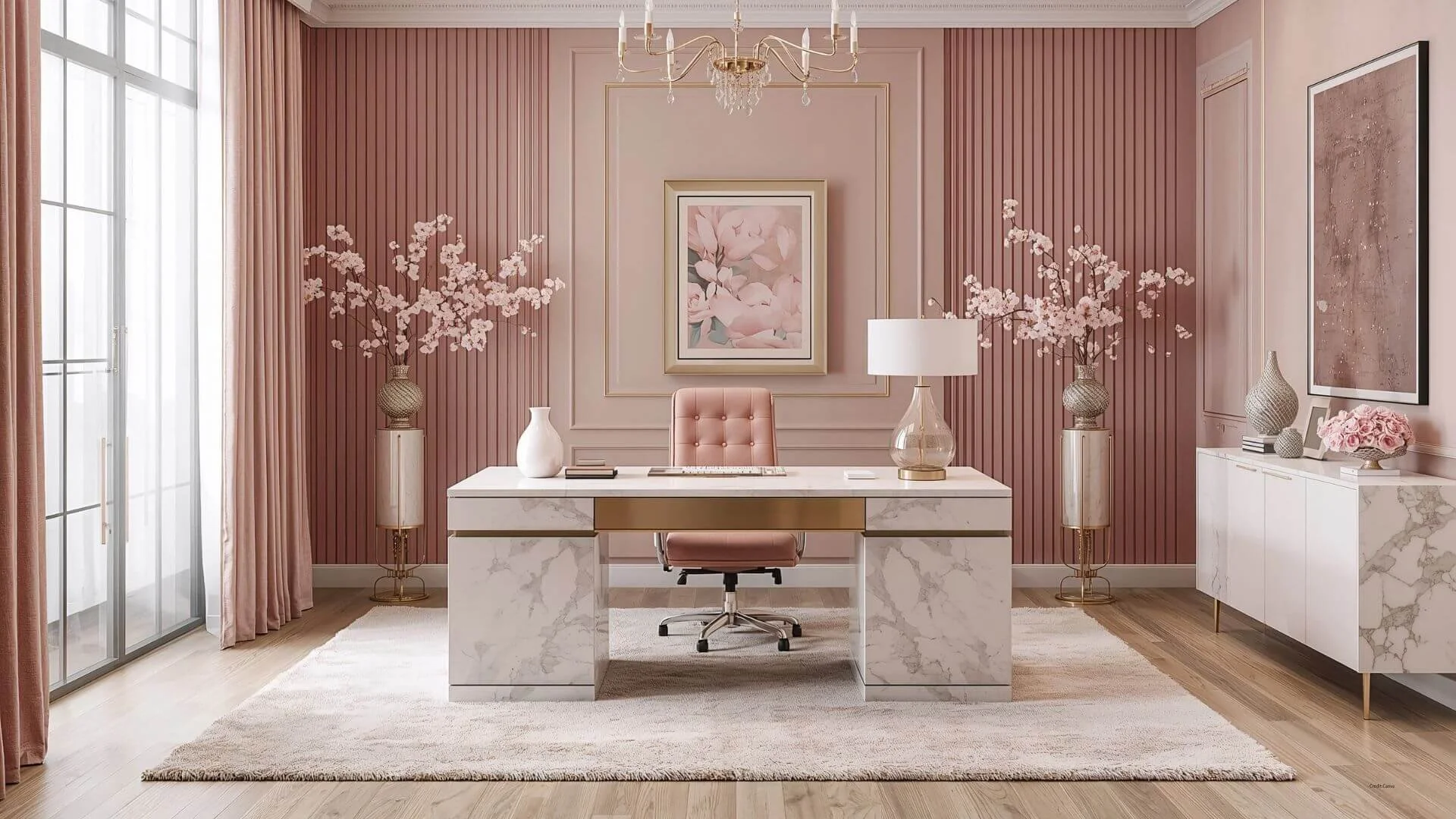
4. Add Warmth With Textures and Natural Materials
Paint sets the foundation for a warm, inviting room, but the elements you layer throughout the space make it feel even cozier. Look for small ways to bring in softer fabrics, natural materials, and decorative pieces that complement what you already have in the room.
Try adding:
Soft textiles: Layer throw blankets, pillows, or curtains in fabrics like linen, cotton, or wool.
Area rugs: A rug adds warmth and helps define the space.
Natural wood: Wood accents, frames, trays, or decorative pieces bring warmth and an organic feel to the room.
Woven materials: Baskets, rattan, and woven decor add visual texture without overwhelming the space.
Plants and greenery: A few plants can soften hard surfaces and add a natural element.
When choosing these finishing touches, consider the paint color you've selected and the undertones already present in your space.
Warm paint colors paired with natural wood, woven materials, and soft textiles can create a layered look that feels comfortable and inviting.
5. Refresh Trim, Doors, or Built-Ins With Paint
You don’t have to paint a single wall to make a room feel warmer. Sometimes, updating smaller painted surfaces can give the space an entirely new look while allowing you to keep the rest of the space the same.
Consider painting:
Interior doors: A warm neutral or deeper shade adds character to a plain door.
Trim and molding: Soft white, cream, or beige creates a gentler look than the traditional stark white.
Built-ins: A rich taupe, olive green, or warm brown makes built-in shelving feel more substantial.
Bookshelves: Painting the shelves or the wall behind them adds depth and highlights your decor.
Cabinetry: A warm paint color refreshes existing cabinets without replacing them.
When choosing a color, think about how these smaller details will interact with your walls, floors, and existing furniture. You can use a contrasting shade to make architectural features stand out or choose a similar tone for a more subtle, cohesive look.
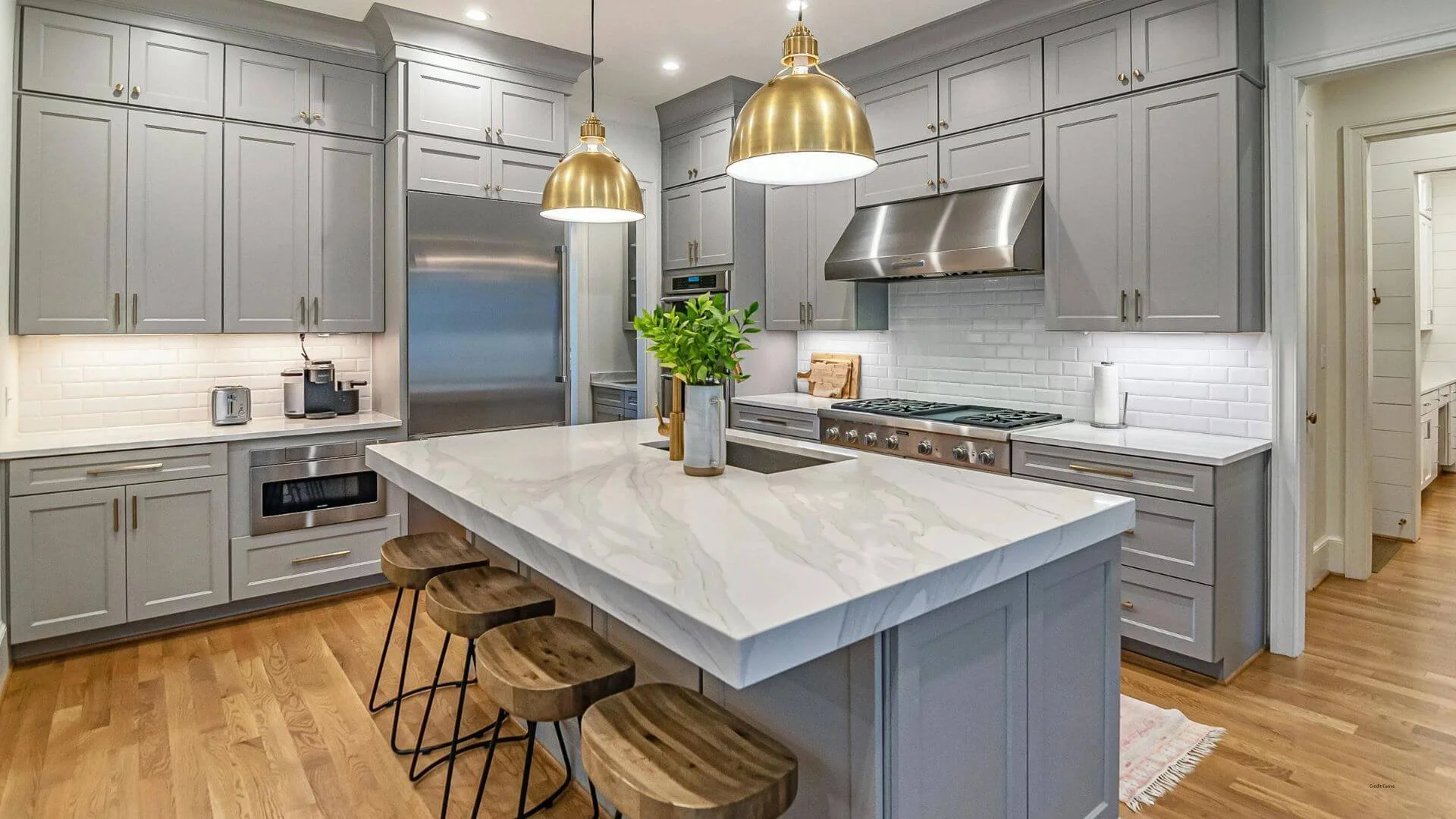
Create a Cozy Home With a Simple Paint Refresh
Even a small painting project can help your existing furniture feel more at home. A warmer wall color, a thoughtfully chosen accent wall, softer lighting, layered textures, or a fresh coat of paint on your trim and built-ins can completely change the way a room feels. Start with the space that feels the least inviting and consider which small update could make the biggest difference.
We’d be happy to help bring a little coziness to your home. Get a free estimate.